



Skip to content

North Star Briefing March 2026

ISSUE # 6 –  March 2026

Editor’s Note

This month:

  1. Is 5.98% the start of spring… or just one solitary swallow?
  2. The Fed can make the harbor safer. But it can’t make captains forget the last shipwreck
  3. Tariffs must travel through the right constitutional doorway.
  4. The politics inside Russia: support, fatigue, and “please make it end (but also win)”
  5. Protein matters—especially for muscle maintenance, recovery, and staying strong as we age.
  6. Do you actually live in a way that satisfies the requirements of the philosophy you claim to hold?
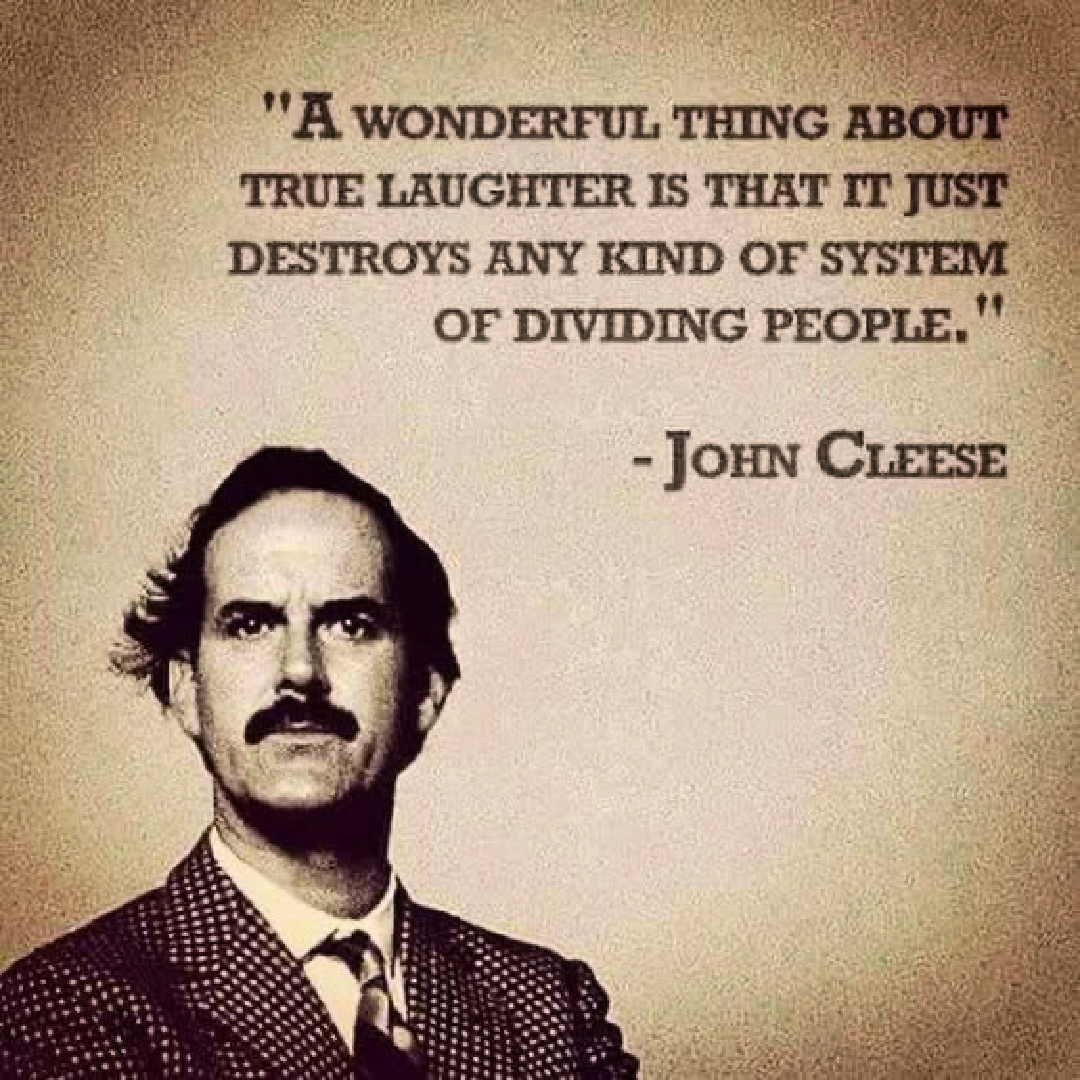
  7. Laughter is the best medicine.                                                                                                                                                                                                                                                  Need a steady hand?

I help bankable-but-not-bank-shaped clients identify and fix the root problem—then fund the right solution.




    • Rate Radar – Mortgage Rates Below 6%: Is This Spring… or Just One Very Confused Swallow?

    • Harbor Report – The Fed’s New Plan for Housing Affordability: “Banks… pretty please?”

    • State Side Signal –SCOTUS to the Tariffs: “That’s adorable. Now show us where Congress said you could.”

    • Open Seas Outlook – Russia’s “Special Military Operation”: The 4-Year Blitzkrieg That Forgot to Blitz

    • Galley & Grit –Protein Mania: The Age of the Chicken Breast Has Arrived (Again)

    • Moral Compass –Personal Theology: Everyone Has One — Most People Just Don’t Admit It

    • Beacon in the Storm – Laughter

Ready to move? Free coaching consult or capital options—your call.

858-229-7199 – jdevilliers@c2financial.com



Mortgage Rates Below 6%: Is This Spring… or Just One Very Confused Swallow?

For the first time in about three and a half years, the 30-year fixed slipped into the 5% range5.98% on Freddie Mac’s weekly survey. That’s not “cheap” in the 2021 sense (nothing is), but it is a meaningful psychological line in the sand for buyers who’ve been living in the Land of 6-and-Change.

The bond market helped. On Feb. 27, the 10-year Treasury yield dipped below 4%, even after a hotter-than-expected January Producer Price Index print. In a normal universe, hot inflation data pushes yields up—but markets lately have been auditioning for a surrealist theater troupe.

Why did yields fall on “hot” inflation data?

Because the market wasn’t just reacting to inflation. It was reacting to growth fear—the kind where investors run toward Treasuries like they’ve just heard someone whisper “recession.” Some coverage tied the move to worries about longer-term growth and disruption (including AI-driven uncertainty), even as stocks slid.

Translation: we may be watching a tug-of-war between inflation and “uh-oh.”

Meanwhile at the Fed: the Cut Chorus (with harmony and caveats)

Two Fed voices basically gave us the classic central-banker two-step:

  • Fed Governor Stephen Miran: January job growth was “a really good thing,” but he still thinks the Fed should cut a full percentage point in 2026 (four quarter-point cuts). He argued the labor market still has risks and said he doesn’t think we have an inflation problem.

  • Chicago Fed President Austan Goolsbee: He also sees room for several cuts later this year—but he wants the Fed to be careful and not “front-load” cuts before there’s evidence inflation is headed back to 2%, because you can overheat the economy and re-ignite inflation.

So yes: one Fed official says “cut a full point,” another says “eventually, but don’t get cute.” The message is basically: “We might cut… but we’d like the data to stop being dramatic first.”

So… where do mortgage rates go from here?

Here’s the practical version—less “two hands” and more “two scenarios”:

Scenario A: The swallow becomes spring
Mortgage rates can keep drifting lower if:

  • the 10-year yield stays under pressure, and

  • inflation data keeps trending toward the Fed’s comfort zone, and

  • the market keeps pricing in multiple cuts rather than “maybe one, maybe none.”

Scenario B: The swallow was just lost
Rates can bounce back up if:

  • inflation surprises hot again (especially services),

  • growth re-accelerates, or

  • the market decides it got carried away and reprices Fed cuts.

My take (said gently, with love):

Trying to predict rates by interviewing economists is like asking a weather forecaster for a definitive answer about March: you’ll get “sunny… with a chance of everything.”

Better approach: watch the 10-year Treasury, watch inflation, and listen for whether the Fed is talking about confidence or caution—because mortgages are basically the bond market’s mood ring.

And the big question for this month: Is 5.98% the start of spring… or just one solitary swallow with excellent PR?

Need clarity? Radar
I help find the strategy that earns its financing: address the problem, then fund what works.




Screenshot


“Banks, Please Return to Mortgages.” — Said the Government, While Holding a Very Large Rulebook

Mortgage rates finally dipped into the 5% range again—5.98% on Freddie Mac’s survey—so you can almost hear America’s collective shoulders unclench.
And right on cue, the next move is less about rates and more about who is willing to make mortgages in the first place.

The Wall Street Journal’s Heard on the Street framed it bluntly: the administration’s affordability push needs banks to play ball, but banks have been… let’s call it “emotionally unavailable” since the last time the mortgage market set itself on fire.

Why banks drifted out of the harbor

Fed Vice Chair for Supervision Michelle Bowman says the mortgage business has migrated out of banks and toward nonbanks for years. Her numbers are striking:

  • Banks originated ~60% of mortgages in 2008 → ~35% in 2023

  • Banks held servicing rights on ~95% of mortgage balances in 2008 → ~45% in 2023

Her argument: parts of the post-crisis capital framework became over-calibrated, especially around mortgage servicing rights (MSRs)—the asset banks hold when they collect payments and manage the loan after it closes.

What the Fed is considering (in normal-person English)

Bowman previewed two targeted changes designed to make mortgages less “capital-expensive” for banks:

  1. Mortgage servicing rights (MSRs): remove the rule requiring banks to deduct MSRs from regulatory capital, while (for now) keeping the 250% risk weight—and asking for comments on whether that 250% should be recalibrated.

  2. Mortgage loan risk weights: make capital requirements more risk-sensitive, potentially using loan-to-value (LTV) instead of treating a lot of mortgages the same.

Translation: “If the loan is safer, the capital treatment should stop acting like it’s juggling chainsaws.”

The COVID sequel (because history loves a franchise)

During COVID, the Fed used its balance sheet aggressively—buying Treasuries and agency mortgage-backed securities (MBS)—which helped compress mortgage financing conditions in that period.
Then inflation arrived, the Fed tightened, rates rose, and affordability got body-slammed by the combo of higher prices + higher rates.

The big question: will banks actually come back?

The WSJ’s answer is basically: don’t bet the house on it. Analysts point out banks remember:

  • compliance costs,

  • litigation risk,

  • reputational risk,

  • and what happens when a mortgage book goes sour at exactly the wrong time.

The Fed can make the harbor more welcoming. But it can’t force captains to sail into a storm they still have PTSD about.

This isn’t “2008 again.” It’s more like: the Fed is trying to rebalance a mortgage ecosystem that has drifted heavily toward non banks—without repeating the greatest hits of the last disaster album.

Ready to move? Walk out of our first consultation with a 3-step plan that makes financing optional, realistic—and powerful when used.

With access to C2 Financials’ 100+ lenders and decades of personal experience in building, turning around and managing companies, raising capital, and running M&A I can help provide solutions to maximize your operations and secure optimal funding.

858-229-7199 – jdevilliers@c2financial.com


Stateside Signals


Screenshot


SCOTUS to the Tariffs: “That’s adorable. Now show us where Congress said you could do that.”

In late February, the Supreme Court delivered a very American message to the White House: tariffs are a Congress thing, unless Congress clearly hands that power to the President. And in this case, the Court said it didn’t.

What legal framework did Trump use for the tariffs?

The challenged tariffs were imposed under the International Emergency Economic Powers Act (IEEPA)—a 1977 law presidents typically use for sanctions, embargoes, and transaction controls during a declared national emergency. The administration argued IEEPA’s authority to “regulate… importation” included the power to impose broad tariffs.

These included (as described in litigation summaries) both:

  • “Drug trafficking” / border-related tariffs (targeting imports tied to fentanyl/illegal immigration concerns), and

  • Sweeping “reciprocal” tariffs aimed at trade deficits.

Who challenged it (and how did it get to the Supreme Court)?

Two tracks matter:

  • Learning Resources, Inc. v. Trump — brought by two small businesses (toy/education-product importers) in D.C. federal court.

  • Trump v. V.O.S. Selections, Inc. — brought by five small businesses and 12 states in the U.S. Court of International Trade (CIT), the specialist court for tariff disputes.

The Supreme Court consolidated the fight and (importantly) clarified that tariff-related challenges belong in the CIT (not regular district court), then upheld the core holding that IEEPA doesn’t authorize tariffs.

What constitutional principle did SCOTUS rely on?

Here’s the “boring but important” backbone:

  • Article I assigns Congress the power to “lay and collect Taxes, Duties, Imposts and Excises.” Tariffs are duties—so they sit in Congress’s constitutional toolbox.

  • The Court applied a “major questions” style analysis (in key parts): if a President claims a huge new power with massive economic impact, Congress must have spoken clearly. General words like “regulate importation” aren’t enough to silently hand over the national tariff lever.

  • Several analyses note the Court leaned heavily on the constitutional structure (Congress controls taxation) while deciding the case through statutory interpretation (IEEPA’s text/history doesn’t mention tariffs as an emergency tool).

Translation: The Court didn’t say “tariffs are unconstitutional.” It said: “If you want tariffs from the President, Congress needs to say so plainly—especially when it looks like a revenue-raising power grab.”

What happens now (what SCOTUS expects in practice)?

  1. IEEPA-based tariffs stop being collectible going forward, and implementation shifts to agencies/lower courts for cleanup. Reporting after the decision indicated U.S. Customs and Border Protection would stop collecting the invalidated IEEPA tariffs.

  2. Refunds are the next legal trench-war. The Supreme Court didn’t simply mail everyone a check; lower courts will wrestle with how refunds apply, and companies have already started suing for repayment.

What legal avenues are still available to the administration?

Plenty. The Court basically said, “Use the correct tool, not the emergency bazooka.”

1) Section 122 of the Trade Act of 1974 (temporary import surcharge)
Within hours/days, the White House invoked Section 122, which allows a temporary import surcharge (up to 15%) for up to 150 days, unless Congress extends it.

2) Section 301 (USTR investigations → country-specific tariffs)
Section 301 is the classic “unfair trade practices” pathway—slower, procedural, and litigated plenty, but well-worn. (Think: investigations, findings, then tariffs.)

3) Section 232 (national security tariffs)
Section 232 remains available for national security-framed tariffs—again, it requires process (Commerce investigations), but it’s a recognized lane.

4) Ask Congress for new authority
The most constitutionally “clean” option: get a statute that clearly authorizes the desired tariff regime (and accepts the political accountability that comes with it). The Court’s opinion basically invites this route by emphasizing the need for clear congressional authorization.


The punchline (because we deserve one)

The real takeaway isn’t “tariffs are dead.” It’s: tariffs must travel through the right constitutional doorway—and the Court just put a bouncer there checking IDs.


Need a steady hand?
I help bankable-but-not-bank-shaped clients identify and fix the root problem—then fund the right solution.


Open Seas Outlook


Screenshot

Russia’s “Special Military Operation”: The 4-Year Blitzkrieg That Forgot to Blitz

Russia launched its full-scale invasion of Ukraine in February 2022 with the kind of confidence you usually only see in a man trying to assemble IKEA furniture without the instructions. Four years later, the “special military operation” has become less a lightning strike and more a long, expensive, tragic slog—measured in meters, not miles. (For the record: CSIS estimates Russia’s most prominent offensives have averaged 15–70 meters per day in recent phases. That’s not a breakthrough; that’s a shuffle.)

1) The map: big ambitions, stubborn reality

As of the war’s fourth anniversary, Russia occupies about 20% of Ukraine (including Crimea and areas seized since 2022), and the front has largely hardened into grinding positional warfare rather than sweeping maneuver.
Ukraine has regained territory at points; Russia has taken additional ground at points. But “decisive” is not the word anyone serious is using right now.

2) The human cost: catastrophic, and still rising

Reliable casualty figures are notoriously hard in wartime—both sides have incentives to massage the numbers and restrict reporting. Still, some of the best-known independent estimates are grim:

  • CSIS (Jan 2026) estimates Russia has suffered ~1.2 million casualties (killed/wounded/missing) since Feb 2022, with ~275k–325k fatalities. Ukraine is estimated at ~500k–600k casualties, with ~100k–140k fatalities.

  • The Kremlin has publicly acknowledged only limited losses and dismissed outside estimates; independent tallies (e.g., Mediazona/BBC-style approaches) generally find higher numbers than official statements but still can’t capture everything.

This is the part where sarcasm should sit down, be quiet, and let the facts do the talking.

3) The money: Russia can keep paying… but it’s paying a price

The Russian economy hasn’t “collapsed” the way some headlines once predicted. It has adapted—often through rerouting trade, discounts on energy exports, and state-directed spending. But adaptation isn’t the same as health.

What the data suggests now:

  • Russia is running a war-heavy model: the IISS estimates at least $186B spent on defense in 2025 (about 7.3% of GDP), and assesses Russia can sustain the war through 2026, though with mounting manpower/economic strain.

  • Russia still exports large volumes of crude; one analysis cited in reporting says exports are above pre-war levels, though revenues are pressured by discounts and enforcement dynamics.

  • Domestic strain is showing in “real life” indicators: consumption slowing, and even restaurants closing at a notable clip—Reuters describes a broader slowdown amid inflation, taxes, and high borrowing costs (even after the central bank cut rates).

In plain English: Russia can keep writing checks, but the ink is getting expensive.

4) The politics inside Russia: support, fatigue, and “please make it end (but also win)”

Measuring Russian public opinion is tricky (state pressure is real), but multiple surveys point to a pattern: people often say they support the military and want the war to end through talks—classic “I’m loyal, I’m tired” dual-track psychology.

  • Reporting on polling indicates many Russians favor peace talks at higher rates than earlier in the war, even while stated “support” for the armed forces remains high.

  • State-linked polling and commentary has also emphasized the issue of reintegration of veterans as a major priority when the fighting ends—because sending huge numbers of men home with trauma and disrupted lives is not a social policy footnote; it’s a national challenge.

So yes—there are plausible reasons the Kremlin may worry about “what happens after,” but we should treat claims about Putin’s personal fears as analysis, not established fact, unless directly evidenced.

5) The original goals vs. what actually happened

Russia’s early aims are debated, but widely described objectives included controlling Ukraine’s trajectory, holding/expanding territory in the east and south, and preventing further Western integration.

The scoreboard that matters geopolitically:

  • NATO expanded: Finland joined in 2023 and Sweden in 2024.

  • Ukraine’s EU path has advanced politically (with leaders still debating timelines and conditions).

From Moscow’s vantage point, that’s not “mission accomplished.” That’s “your opponent’s alliance just got bigger.”

6) Ukraine’s condition: battered, functioning, and massively expensive to rebuild

Ukraine has taken horrific damage and displacement—yet it is still functioning as a state and fielding a defense. The reconstruction bill alone is mind-bending:

  • A joint assessment by the World Bank, UN, EU Commission, and Ukraine estimates reconstruction and recovery costs at ~$588B over the next decade (as of Dec 31, 2025).

  • The IMF has continued to structure support around baseline assumptions (including scenarios where the war ends later).

So… what’s the “state of affairs” in one sentence?

A grinding war of attrition where Russia can keep fighting but at staggering human and economic cost, while Ukraine keeps resisting with heavy losses and massive external support—amid a geopolitical backdrop that has, ironically, moved several of Russia’s strategic “red lines” in the opposite direction.


With access to C2 Financials’ 100+ lenders and   decades of personal experience in building, turning around and managing companies, raising capital, and running M&A I can help provide solutions to maximize your operations and secure optimal funding.

858-229-7199 – jdevilliers@c2financial.com



Protein Mania: The Age of the Chicken Breast Has Arrived (Again)


Somewhere in the last year, the internet decided we’re all protein-deficient Victorian orphans who might faint if we don’t get 40 grams before breakfast. And while the hype can be… a lot… the underlying point isn’t crazy:

Protein matters—especially for muscle maintenance, recovery, and staying strong as we age.

First: are we really all “not getting enough” protein?

Not everyone. Many people meet the minimum. But the minimum (the “don’t fall apart” line) and the optimal (the “stay strong and functional” line) are not the same thing—particularly for older adults.

  • The National Academies’ classic baseline for adults is ~0.8 g/kg/day as a recommended allowance.

  • But a major expert consensus (PROT-AGE) recommends older adults (>65) aim more like 1.0–1.2 g/kg/day, and 1.2–1.5 g/kg/day when ill, recovering, or under physical stress (with kidney disease as an important exception where protein may need to be limited under medical guidance).

So yes—seniors, people recovering from surgery/illness, and many midlife adults trying to preserve muscle often benefit from being more intentional.

“But I eat a lot… surely I’m good?”

Here’s the sneaky part: protein isn’t about the weight of the food—it’s about the grams of protein inside it.

A bagel is heavy. A chicken breast is also heavy.
Only one of them reliably helps you keep your glutes from filing for early retirement.

A practical trick: think in terms of protein density—how many grams of protein you get per serving and how many calories are riding along with it.

The calorie reality (because the body is an accountant)

Protein itself isn’t “super high calorie.” It’s 4 calories per gram—the same as carbs. Fat is the heavy hitter at 9 calories per gram.

But many protein foods come bundled with fat (sometimes the good kind, sometimes the “why is this deep-fried?” kind), so it’s easy to overshoot calories while chasing protein.

That’s the balancing act:

  • Get enough protein to support muscle and recovery

  • Without accidentally turning your “lean” plan into a “butter-based lifestyle”

Real-food protein sources (and what they bring with them)

You asked to focus on natural sources rather than powders and supplements—music to my ears.

Here’s a sensible “protein crew,” plus why each earns a seat at the captain’s table:

1) Eggs
High-quality protein, easy, versatile, and they come with nutrients like choline. Also: they’re one of the few foods that can be breakfast, lunch, or “I have no plan” dinner. (One large egg is ~6g protein, ~72 calories—ballpark.)

2) Greek yogurt / cottage cheese
Great protein density, plus calcium. Watch flavored versions—they sometimes sneak in enough sugar to qualify as dessert wearing a trench coat.

3) Poultry (chicken/turkey)
Lean, high protein density. If you want protein without a lot of extra calories, this is the boring-but-effective workhorse.

4) Fish (especially fatty fish like salmon/sardines)
Protein plus omega-3 fats. Higher calories than lean poultry, but often worth it for overall nutrition.

5) Lean red meat (in reasonable portions)
Protein, iron, B12—useful for many people, but “more” isn’t automatically “better.” Quality and portion size matter.

6) Beans, lentils, chickpeas
Lower protein density than meat per calorie, but they bring fiber, minerals, and serious satiety. Great for heart health and digestion. (Your gut microbiome applauds politely.)

7) Tofu/tempeh/edamame
Strong plant options; convenient, protein-rich, and easy to season into something that tastes like actual food instead of damp sadness.

The “overnight muscle” point (and why protein timing can help)

One reason older adults can struggle more is “anabolic resistance”—the body’s blunted muscle-building response to protein with age. A fascinating line of research shows that protein before sleep can increase overnight muscle protein synthesis in healthy older men (in one study, 40g casein before bed beat placebo).

That doesn’t mean everyone needs a midnight steak (please don’t). It means: for some people—especially older adults doing strength training—spreading protein more evenly across the day and not leaving dinner as a protein-free zone can help.

A simple, non-obsessive way to do this

  • Aim for a protein source at each meal.

  • Prefer leaner proteins when you’re watching calories.

  • Use fat on purpose (olive oil, nuts, avocado) rather than accidentally (mystery sauces).

  • Remember: protein + resistance training is the tag-team. Protein without training is like buying a gym membership and expecting the treadmill to text you results.

A gentle caution (because truth is nicer than hype)

Higher-protein strategies are often helpful, but they’re not one-size-fits-all—especially for people with significant kidney disease, who may need individualized targets. The PROT-AGE consensus explicitly notes this exception.

Bottom line: Protein isn’t a fad; it’s basic biology. The fad is pretending the only way to get it is through a neon tub of “Cookies & Cream Whey Thunder.”

Real food works. Count the protein, respect the calories, and let exercise do what it does best: turn “eating well” into “living strong.”

Need a steady hand?

Free consult for strategy. Free consult for capital. Clear options, zero pressure.



Personal Theology: Everyone Has One — Most People Just Don’t Admit It

The moment someone says “theology,” a lot of people picture religion, and then immediately picture extremist religion—usually with a soundtrack of ominous chanting and someone waving a pamphlet like it’s a legal summons.

But personal theology doesn’t have to mean “religious person with strong opinions and a suspicious amount of free time.”

In the broadest sense, your personal theology is your worldview—the set of beliefs (spoken or unspoken) that answer the big questions:

  • How should I live?

  • What makes a life “good”?

  • How should I treat other people—especially the ones who annoy me before coffee?

  • Where did we come from?

  • Where are we going?

  • What is right and wrong… and who gets to decide?

By that definition, every single person has a theology. Even the person who says, “I’m not into theology.” That statement is, ironically, a theological statement—like saying “I don’t believe in maps” while confidently driving somewhere using vibes and regret.

C.S. Lewis: Theology as a map

C.S. Lewis, in Mere Christianity, gave one of the clearest and most helpful metaphors for theology. He said theology is like a map—while the actual experience of God is the country itself.

The map isn’t the destination. The map is the guide.

And Lewis’s point is delightfully practical: if you want to travel anywhere worthwhile, it helps to know where you are and where you’re going. Otherwise, you end up spiritually “exploring” in the same way a toddler explores a grocery store—confident, loud, and headed straight for the candy aisle.

Here’s what Lewis was getting at:

1) Theology is a tool, not a trophy

Theology is made of doctrines and formulations—words that attempt to describe what Christians believe God is like and how reality works.

But those doctrines aren’t the end. They’re the equipment. The shovel isn’t the garden. The compass isn’t the mountain.

If theology becomes something we collect to feel smarter than someone else, we’ve turned the map into wall art.

2) The map is based on collective wisdom

Lewis also points out something most of us dislike: we are not the first people to ask these questions.

Your personal experience may be like standing on the shore looking at the sea. Real. Powerful. Moving.

But the theological “map” is drawn from the accumulated exploration of thousands of believers across centuries—people who have walked through suffering, joy, doubt, persecution, prosperity, prayer, and moral failure, and have learned (often the hard way) what’s true and what leads to shipwreck.

In other words: the map represents tested knowledge. Not perfect people—tested truth.

3) The map is practically necessary

Lewis’s point is not that theology is academic decoration. It’s that without it, we don’t “go far.”

If you want maturity, clarity, endurance, and wisdom—especially in suffering—then vague spiritual sentiments won’t carry you very long.

You don’t cross the Atlantic by saying, “I’m just following my heart.”
Your heart is not a navigation system. It’s a dramatic poet.

4) Theology helps us avoid “muddled ideas”

Without study—without reflection—we end up with what Lewis called “muddled” ideas: half-truths, outdated assumptions, cultural clichés, and beliefs that sound nice but don’t hold up under pressure.

This is how people end up with a personal theology that’s basically:

  • “God wants me happy.”

  • “Everything happens for a reason.”

  • “Be a good person and you’ll be fine.”

Those might sound comforting—until life gets real. Then you need something sturdier than a greeting card.

Map vs. country: the real issue

Lewis isn’t telling us to choose between the map and the country.

He’s saying you can’t do much traveling without the map.

And you can’t claim to know the country if you never actually travel it.

So here’s the uncomfortable (and oddly freeing) question to end with:

What is your personal theology?

Is it confined to a two-dimensional map—a set of ideas you agree with in theory?

Or do you actually live it in a way that satisfies the requirements of the philosophy you claim to hold?

Because at some point, every worldview gets audited—not by a committee, but by real life.


Stuck at the helm? Let’s chart the next move.

If your business is wrestling with growth, team, or cash-flow puzzles—or you’re weighing how to fund the next big step—bring me your mess. I’ll bring a map.

Two simple, no-pressure ways to start:

  1. Free Coaching Consultation
    A focused 20–30 minutes to assess what’s blocking momentum and sketch 2–3 practical plays you can run this month.

  2. Free Capital Options Call
    If you need financing for a new purchase, a refi, or a life event, we’ll review current options and model what’s smart—not just what’s available.

No jargon. No hard sell. Just clear ideas from someone who’s been in the wheelhouse when the water wasn’t calm.

Ready?
Chart a Coaching Call —or— Explore Capital Options +18582297199

Prefer email? Send a quick note to [jdevilliers@c2financial.com] with “Let’s talk” in the subject, and tell me what you’re navigating.

General Disclosure

This publication is for informational and educational purposes only and reflects the personal opinions of the author as of the date of publication. The views expressed do not necessarily reflect the views of any employer, client, or affiliated organization. The author is not selling, brokering, or offering any securities, investments, insurance, or other financial products through this publication.

No Professional Advice. Nothing herein is legal, tax, investment, accounting, or other professional advice. You should consult your own qualified advisors before making any decision.

No Recommendation or Solicitation. References to companies, markets, instruments, or strategies are illustrative and not recommendations, offers, or solicitations to buy or sell any product or service.

Sources and Accuracy. Some content summarizes or links to third-party sources believed to be reliable; however, the author does not warrant the completeness, timeliness, or accuracy of any information and assumes no responsibility for errors or omissions. Markets and laws change—information may become outdated without notice.

No Duty to Update. The author has no obligation to update any content, even if subsequent events make statements inaccurate.

Performance and Risk. Past performance is not indicative of future results. All investments involve risk, including the possible loss of principal.

No Client Relationship. Reading or interacting with this publication does not create a client, advisory, or fiduciary relationship with the author or [Your Company Name].

Third-Party Links. Links are provided for convenience and do not constitute endorsements. The author is not responsible for third-party content or policies.

Conflicts & Affiliations. The author may hold positions or have business relationships relevant to topics discussed and will endeavor to disclose material conflicts where appropriate.

© 2025 Johann de Villiers. All rights reserved. Contact: jdevilliers@C2Financial.com .

This licensee is performing acts for which a real estate license is required. C2 Financial Corporation NMLS #135622 is licensed by the California Department of Real Estate, Broker # 01821025; Arizona Department of Financial Institutions, Broker # 919209; Colorado Division of Real Estate; Florida Office of Financial Regulations, OFR# MBR3519; Tennessee Department of Financial Institutions, DFI# 135622; Washington Mortgage Broker License MB-135622. Loan approval is not guaranteed and is subject to lender review of information. All loan approvals are conditional, and all conditions must be met by borrower. Loan is only approved when lender has issued approval in writing and is subject to the Lender conditions. Specified rates may not be available for all borrowers. Rate subject to change with market conditions. C2 Financial Corporation is an Equal Opportunity Mortgage Broker/Lender. The services referred to herein are not available to persons located outside the state of CA, AZ, CO, FL, TN and WA.

Johann de Villiers NMLS # 71252, CA DRE # 01746466, AZ #1040617, CO # 100534343,
FL #LO111486, TN # 71252, WA # MLO-71252


I use inspiration and straight-talking common sense to help people into homeownership, potentially the best long-term investment they can ever make.

Back To Top