




Issue #7 - April 2026 North Star Briefing sails where headlines meet consequences. This issue charts the…
North Star Briefing December 2025

ISSUE # 3 – December 2025
Editor’s Note
This month:
- The economy isn’t booming, it isn’t collapsing – what to do with interest rates;
- The housing market quandary: we built too few houses for 15+ years, then handed everyone 3% mortgages;
- AI Bubble Mania vs Dot-Com: Same Circus, Different Recipes;
- Donbas in eastern Ukraine where coal, steel, and imperial cartography met in a dark bar, had too much to drink, and woke up the next morning insisting they’d always been Russian;
- A Christmas Roast, Off the Starboard Side;
- Technology can multiply our power, but it cannot tell us whether or how we should use that power.
- Peace on earth and good will to men in Bethlehem
Need a steady hand?
I help bankable-but-not-bank-shaped clients identify and fix the root problem—then fund the right solution.

-
-
Rate Radar – Powell landing a 747 in a crosswind- the guy in 1A tweets about firing the pilot.
-
Harbor Report – The U.S. housing market right now feels like a Monty Python sketch written by an actuary
-
Stateside Signals – AI Mania vs Dot-Com: Same Circus, Different Recipes
-
Open Seas Outlook – Russia and the Donbas region of Ukraine
-
Galley & Grit – Christmas Roast, Off the Starboard Side
-
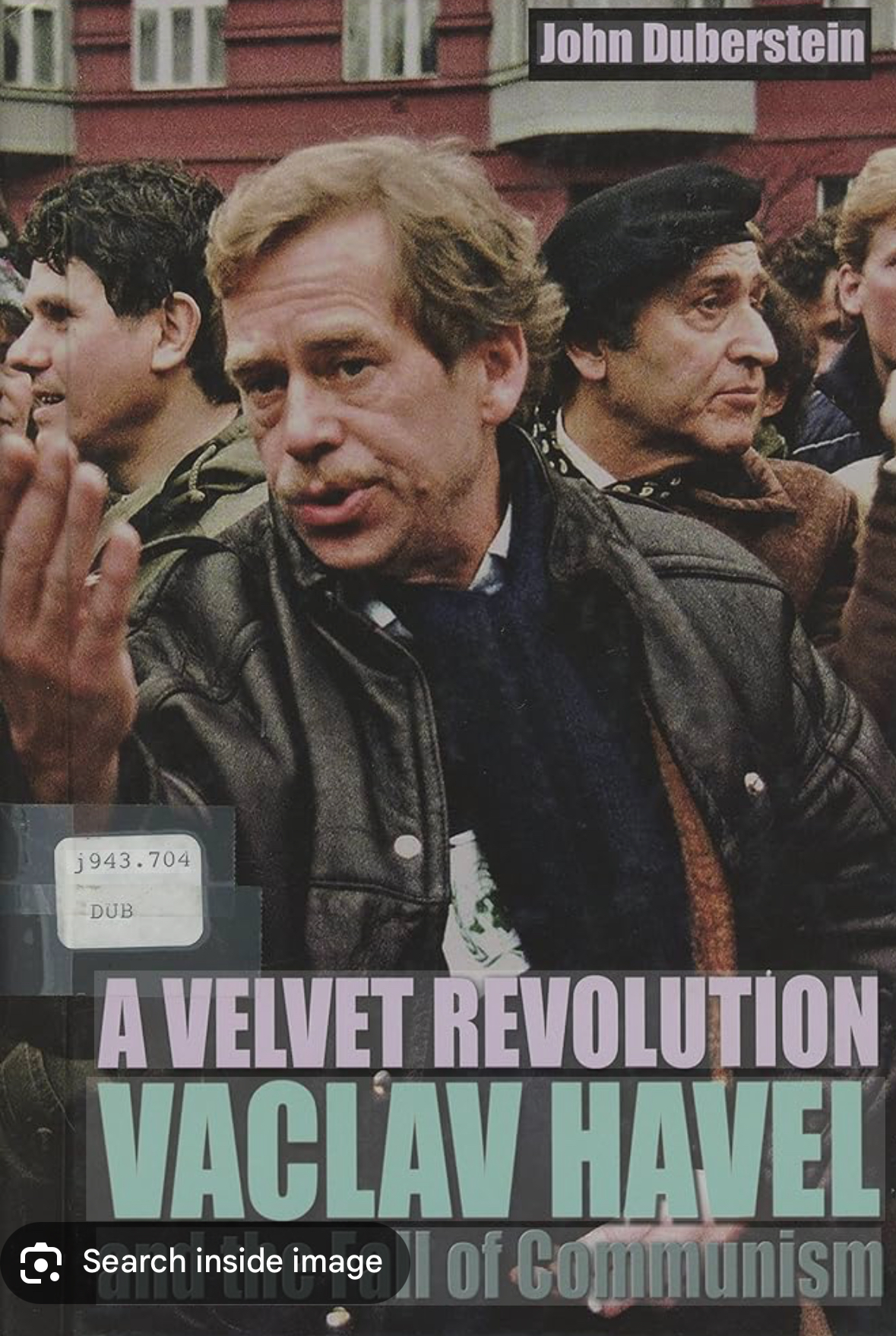
Moral Compass – “Modern science kills God and takes his place on the vacant throne.” Vaclav Havel
-
Beacon in the Storm – Peace on earth and goodwill to men
-
Ready to move? Free coaching consult or capital options—your call.
858-229-7199 – jdevilliers@c2financial.com
Rate Radar

Need clarity?
I help find the strategy that earns its financing: address the problem, then fund what works.

Harbor Report

The U.S. housing market right now feels like a Monty Python sketch written by an actuary
The U.S. housing market right now feels like a Monty Python sketch written by an actuary: nothing makes sense, but the numbers are correct. Prices are still in the stratosphere, sales volume is in witness protection, and yet homes are not exactly mouldering on the market.
Nationally:
-
Listings: 1.1M now vs 1.3M pre-pandemic (so still a little less choice).
-
Days on market: 63 now vs 83 then (homes actually sell faster).
-
Prices: index 331 vs 212 — roughly +56%.
Translation: we built too few houses for 15+ years, then handed everyone 3% mortgages, and now nobody wants to move unless the house is on fire and the in-laws live next door. That’s brutal for transaction volume… but structurally bullish for investors, builders, and anyone who can figure out how to buy and hold.
Big picture logic:
-
Sellers are handcuffed to ultra-low rates.
-
Buyers hate 7% mortgages but hate rent inflation more.
-
We’re still millions of homes short nationally.
That combination produces exactly what you’re seeing: low turnover, high prices, and no real crash. Annoying if you live on commissions; quietly golden if you think like a long-term owner or builder.
Washington – Tight, rich, and stubborn
Listings: 22k now vs 25k then. Days on market: 58 vs 74. Prices: 391 vs 259 (about +51%). Washington is the classic “I’d sell, but where would I go?” market. Supply never really recovered, buyers still show up quickly, and the price level is simply… higher. For investors, it’s a hold-and-prune market: pick your submarkets carefully, but don’t bet on a clearance sale.
California – The soft landing from orbit
Listings: 87k vs 78k (finally more inventory). DOM: 58 vs 68. Prices: 435 vs 264 (+65%). California has come down from “pure madness” to “expensive but negotiable.” More signs in yards, buyers taking a weekend to think, but the price anchor is still set very, very high. For builders and value-hunters, this is a slow re-pricing, not a bust. Think “careful sniper,” not “Black Friday door-buster.”
Arizona – From frenzy to normal-ish
Listings: 31k vs 31k (flat). DOM: 71 vs 66 (a bit slower). Prices: 323 vs 202 (+60%). Phoenix has walked back from its sugar high, but not by much. Same supply, slightly slower sales, far higher prices. That screams “cycle reset,” not collapse. For investors: the easy equity pop is gone, but long-term demand (migration, relative affordability) is still your friend.
Colorado – Undersupplied, even when sleepy
Listings: 25k vs 32k (less supply). DOM: 72 vs 82 (quicker). Prices: 315 vs 225 (+40%). Denver looks like the textbook: fewer homes, still-brisk absorption, much higher prices. This is the sort of market where owning anything half-sensible and not over-levered is a long-term win. Builders with product in the pipeline aren’t crazy; they’re filling a hole the market hasn’t plugged.
Florida – The post-boom digestion phase
Listings: 183k vs 155k (a lot more). DOM: 88 vs 79 (slower). Prices: 438 vs 247 (+77%). Miami & friends are in the “we partied too hard, now we need electrolytes” phase. Inventory is up, buyers are pickier, but prices are still wildly above the old baseline. For investors, this is the state where underwriting discipline matters most: cash flow first, appreciation as a maybe.
Tennessee (via Atlanta) – Sunbelt steady
Listings: 34k vs 29k. DOM: 66 vs 78. Prices: 249 vs 156 (+60%). Using Atlanta as a proxy for TN isn’t perfect, but it captures the Sunbelt story: more homes on the market than pre-COVID, still-solid absorption, big cumulative price gains. For builders and small investors, this is quietly one of the most interesting “buy, build, and hold” regions.
On flow, not just stock: the pipeline today is still thin. Single-family homes under construction are down to about 621,000 — the lowest since early 2021 as builders ease off. And even with 7%-ish mortgages, homes aren’t exactly gathering cobwebs: national median days on market hover around 40–50 days, depending on the cut, up from the frenzy years but not screaming “buyers’ strike.”
Ready to move? Walk out of our first consultation with a 3-step plan that makes financing optional, realistic—and powerful when used.
With access to C2 Financials’ 100+ lenders and decades of personal experience in building, turning around and managing companies, raising capital, and running M&A I can help provide solutions to maximize your operations and secure optimal funding.
858-229-7199 – jdevilliers@c2financial.com
Stateside Signals

Photo Goldman Sachs
AI Mania vs Dot-Com: Same Circus, Different Recipes
If you were alive and investing during the late-’90s, congratulations: you survived an era when adding “.com” to your company name could triple your market cap faster than you could say “pets delivering their own food.”
The original Internet Bubble was built on a simple business model:
-
Have a website.
-
Lose money.
-
Go public anyway.
Revenues were often more of a rumor than a line item. Cisco was the grown-up in the room: by 2000 it generated about $18.9 billion in revenue—real money—yet the stock was priced as if every human on earth were about to buy a router for each room and a spare for the garden.
Many other dot-coms had tiny sales and Olympian valuations. The idea was: “We’ll monetize all these eyeballs later.” Later arrived, discovered there was no business model, and left in a hurry.
Fast-forward to today’s AI boom, which many people insist is “just like 1999,” usually right after buying call options. The mood rhymes, but the revenue doesn’t.
Take Nvidia, currently playing the role of Cisco, Amazon, and a small electrical utility rolled into one. For fiscal 2025 it reported about $130.5 billion in revenue, more than double the prior year, driven largely by AI chips rented to everyone trying to make their PowerPoint decks “conversational.” Its data-center business alone is pulling in tens of billions per quarter.
Then look at the cloud landlords of this brave new world. AWS, Microsoft Azure, and Google Cloud now control roughly 63–70% of global cloud infrastructure spend, in a market running near $100 billion a quarter and growing in the high 20s percent annually. These are not pre-revenue sock-puppet companies; they sell compute by the gigawatt to customers who pay actual money rather than vibes.
So the similarities:
-
Storytelling still runs ahead of spreadsheets. Central banks and strategists are already muttering about AI froth and “air pockets” in equity markets, politely suggesting that not every GPU farm will turn into the next Microsoft.
-
Index performance is again dominated by a tiny tech aristocracy. If your portfolio doesn’t contain at least three companies ending in “-soft,” it probably underperformed.
The differences:
-
In 2000, much of the internet dream was future revenue. Today, AI is layered on top of multi-hundred-billion-dollar franchises that already make money hand over fist and then use the extra to build more data centers and annoy their regulators.
-
Power, land, and chips are genuine constraints. You can’t scale AI with a Super Bowl ad and a sock puppet; you need substations and supply agreements.
History’s punchline is what happened to the survivors of the first bubble. The companies that turned the hype into durable revenue became, essentially, the US stock market:
-
Microsoft – about $3.6 trillion market cap. StockAnalysis
-
Alphabet / Google – about $3.9 trillion. StockAnalysis+1
-
Amazon – about $2.5 trillion. MacroTrends+1
-
Meta (Facebook) – about $1.6 trillion. CompaniesMarketCap+1
-
Salesforce – around $225–230 billion. StockAnalysis+1
The moral for this month’s North Star Briefing: bubbles come and go, but cash flow is stubborn. In 1999, investors bought dreams and accidentally funded empires. In 2025, we’re doing it again with AI—only this time the empires are already built, metered, and invoiced monthly. The trick is not to confuse every shiny AI ticker with the next Microsoft… unless, of course, it also controls your data, your cloud, and possibly your thermostat.
Need a steady hand?
I help bankable-but-not-bank-shaped clients identify and fix the root problem—then fund the right solution.
Open Seas Outlook

Photo FRANCE 24
Russia and the Donbas region of Ukraine
“Satire aside, the people of Donbas are living this history in real time; any peace worth the name has to start by telling the truth about how we got here.”
With access to C2 Financials’ 100+ lenders and decades of personal experience in building, turning around and managing companies, raising capital, and running M&A I can help provide solutions to maximize your operations and secure optimal funding.
858-229-7199 – jdevilliers@c2financial.com

 Christmas Roast, Off the Starboard Side
Everyone has that roast: the usual turkey/ham/beef/pork beast flanked by potatoes, Yorkshire puddings, and enough gravy to lubricate a small nation-state. It’s comforting, predictable… and by late December, about as exciting as leftover fruitcake.
There is, incidentally, also a 2020 Armenian short film called “The Christmas Roast” about a justice worker in dramatic situations. That one lives on Netflix. Ours lives in your oven. We’ll deal with the movie later; first we eat.
This year’s Galley & Grit proposal: a non-traditional Christmas roast built on a very traditional Christmas meat – lamb – sailed eastward into a Middle Eastern port: Lamb Tagine.
“Tagine” is both the pot and the stew: a North African clay dish with a conical lid, and the slow-braised, aromatic goodness inside it. The stew is all about contrast. Sweet notes from dried apricots, cinnamon, nutmeg, and almonds toasted in butter; deep savoury from lamb shoulder, saffron, turmeric, tomato paste, plus a bright finish of scallions, herbs, and lemon juice.
No tagine pot? No problem. A Dutch oven or any heavy pot with a tight lid will do just fine. Serve it with flatbread, couscous, rice—or all three if you’re feeding a small tribe and their opinions.
Ingredients:
3-4 pounds of bone in lamb shoulder
2 ½ teaspoons of kosher salt more if needed
1 cup of lamb or chicken stock
1 cup of Moroccan red wine or port
1 cup of dried apricots
½ cup of dried dates
½ cup of pitted olives
2 tablespoons of extra-virgin olive oil more as needed
2 large onions thinly sliced
4 cloves of garlic
1 teaspoon of tomato paste
½ a teaspoon of grated ginger
¾ teaspoon of ground turmeric
¾ teaspoon of black pepper
3 cinnamon sticks
Pinch of saffron
Pinch of freshly grated nutmeg
2 Tbsp of honey
Bouquet garni – rosemary, thyme and fresh bay leaves keyboard
1/3 cup of fresh cilantro chopped
1 tablespoon of butter
½ cup of slivered almonds
2 scallions finally chopped
2 tablespoons of chopped parsley
Fresh lemon juice to taste
Preparation
- In a large bowl, combine the lamb and rub in 2 teaspoons of salt. Let’s sit at room temperature for at least one hour or preferably 24 hours in the refrigerator.
- In a small pot bring the stock and wine to boil. Remove from heat add the apricot and the dates and they said at least 15 minutes.
- Heat the oven two 325 degrees Fahrenheit. On the stove heat the Tagine or Dutch oven with 2 tablespoons of oil over medium heat too hot. Add lamb and cook so well brown on all sides about 10 minutes. Transfer the meat to a plate.
- Add onions, garlic and ¼ teaspoon of salt and cook until soft about 8 minutes. Add the tomato paste, ginger, cinnamon sticks, honey, bouquet garni, garlic and spices and cook and fragrant about 2 minutes. Add lamb and any juices on the plate the apricots and dates add the stock and wine and half of the cilantro. Cover the pot and cook in the oven for 2 ½ to 3 hours, or until the lamb is fork tender. Taste and adjust the seasonings if necessary.
- In a small skillet heat butter and one cinnamon stick over medium heat. Add almonds and a 1/4 teaspoon salt and cook until golden brown 5 to 7 minutes. Discard the cinnamon stick.
- To serve transfer the lamb and juices to a serving platter topped with toasted almonds and any butter left in the small skillet, scallions parsley and remaining cilantro. Sprinkle with fresh lemon juice to taste. Serve with a flatbread couscous or rice and enjoy.
Need a steady hand?
Free consult for strategy. Free consult for capital. Clear options, zero pressure.
Moral Compass

CS Lewis said: “Christianity, if false, is of no importance, and if true, of infinite importance. The only thing it cannot be is moderately important.”

Peace on earth and goodwill to men – in Bethlehem
From The New York Times

Stuck at the helm? Let’s chart the next move.
If your business is wrestling with growth, team, or cash-flow puzzles—or you’re weighing how to fund the next big step—bring me your mess. I’ll bring a map.
Two simple, no-pressure ways to start:
-
Free Coaching Consultation
A focused 20–30 minutes to assess what’s blocking momentum and sketch 2–3 practical plays you can run this month. -
Free Capital Options Call
If you need financing for a new purchase, a refi, or a life event, we’ll review current options and model what’s smart—not just what’s available.
No jargon. No hard sell. Just clear ideas from someone who’s been in the wheelhouse when the water wasn’t calm.
Ready?
Chart a Coaching Call —or— Explore Capital Options +18582297199
Prefer email? Send a quick note to [jdevilliers@c2financial.com] with “Let’s talk” in the subject, and tell me what you’re navigating.
General Disclosure
This publication is for informational and educational purposes only and reflects the personal opinions of the author as of the date of publication. The views expressed do not necessarily reflect the views of any employer, client, or affiliated organization. The author is not selling, brokering, or offering any securities, investments, insurance, or other financial products through this publication.
No Professional Advice. Nothing herein is legal, tax, investment, accounting, or other professional advice. You should consult your own qualified advisors before making any decision.
No Recommendation or Solicitation. References to companies, markets, instruments, or strategies are illustrative and not recommendations, offers, or solicitations to buy or sell any product or service.
Sources and Accuracy. Some content summarizes or links to third-party sources believed to be reliable; however, the author does not warrant the completeness, timeliness, or accuracy of any information and assumes no responsibility for errors or omissions. Markets and laws change—information may become outdated without notice.
No Duty to Update. The author has no obligation to update any content, even if subsequent events make statements inaccurate.
Performance and Risk. Past performance is not indicative of future results. All investments involve risk, including the possible loss of principal.
No Client Relationship. Reading or interacting with this publication does not create a client, advisory, or fiduciary relationship with the author or [Your Company Name].
Third-Party Links. Links are provided for convenience and do not constitute endorsements. The author is not responsible for third-party content or policies.
Conflicts & Affiliations. The author may hold positions or have business relationships relevant to topics discussed and will endeavor to disclose material conflicts where appropriate.
© 2025 Johann de Villiers. All rights reserved. Contact: jdevilliers@C2Financial.com .
This licensee is performing acts for which a real estate license is required. C2 Financial Corporation NMLS #135622 is licensed by the California Department of Real Estate, Broker # 01821025; Arizona Department of Financial Institutions, Broker # 919209; Colorado Division of Real Estate; Florida Office of Financial Regulations, OFR# MBR3519; Tennessee Department of Financial Institutions, DFI# 135622; Washington Mortgage Broker License MB-135622. Loan approval is not guaranteed and is subject to lender review of information. All loan approvals are conditional, and all conditions must be met by borrower. Loan is only approved when lender has issued approval in writing and is subject to the Lender conditions. Specified rates may not be available for all borrowers. Rate subject to change with market conditions. C2 Financial Corporation is an Equal Opportunity Mortgage Broker/Lender. The services referred to herein are not available to persons located outside the state of CA, AZ, CO, FL, TN and WA.
Johann de Villiers NMLS # 71252, CA DRE # 01746466, AZ #1040617, CO # 100534343,
FL #LO111486, TN # 71252, WA # MLO-71252

Related Posts